

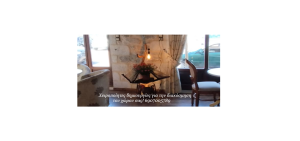





At the Centre for Spartan & Peloponnesian Studies, we are deeply grateful for the friendship and generous support of the Θυγατέρες της Πηνελόπης Σπάρτης and their wonderful President, Mrs Georgia Zaharaki (f. Deputy Mayor of Sparti).

As the final webinar of this semester’s AGIDO webinar series will be delivered this Monday, we would like to express our appreciation for their steadfast support of the series by sharing a story (written by the CSPS Director) that reflects the spirit of this valued partnership. Thank you for standing with us in promoting the history of women in Sparta and the Peloponnese

The Queen Who Waited

Penelope woke with a cry that echoed through the dark halls of the palace of Ithaca.
“Where are you?” she screamed into the night.
Her heart pounded as she sat upright in her bed, her hands trembling. The nightmare still clung to her like a cold mist. She had seen Odysseus running across a rocky shore beneath a black sky. Behind him thundered a monstrous Cyclops, its single eye blazing with hatred. She had tried to call out to her husband, tried to warn him, but no sound had left her lips. Then the giant had reached toward him, and she had awakened in terror.
For a moment she listened.
Only silence answered her.
No familiar footsteps.
No reassuring voice.
No husband beside her.
Just the lonely wind that swept across the cliffs of Ithaca.

Years had passed since Odysseus had sailed away to Troy. Years of waiting. Years of hoping. Years of hearing rumours carried by sailors who knew nothing for certain. Some said he was dead. Others claimed he wandered distant lands. None could tell her when he would return.

Penelope rose and walked to the window. Far below, the sea stretched endlessly beneath the moonlight.
“Even my love cannot bring you home,” she whispered, tears filling her eyes. “I have loved you every day of your absence. I have prayed to every god. Yet still you are gone.”
The pain inside her felt heavier than any burden.
She thought of her son, Telemachus.
When Odysseus had departed, the boy had been little more than an infant in his mother’s arms. Now he stood on the threshold of manhood. The years that should have belonged to father and son had been stolen.
And as often happened during her darkest moments, her thoughts turned toward Helen.
“Helen,” Penelope murmured bitterly. Her beautiful cousin. The woman whose love for Paris had set kingdoms ablaze. The woman whose departure from Sparta had unleashed a war that consumed heroes and shattered families.
“Was any love worth such suffering?” Penelope asked the empty room. “Because of you, my husband sailed away. Because of you, countless wives became widows. Because of you, my son grew up without his father.”
Immediately guilt followed the accusation. Penelope knew that the blame for war belonged to many people, not one woman alone. Yet sorrow often seeks a face upon which to rest. And Helen’s face was the one she saw.

The palace itself had become a battlefield of another kind.

Every day the suitors crowded its halls. Noblemen from Ithaca and neighbouring islands feasted at Odysseus’ tables, drank his wine, slaughtered his livestock, and competed for the throne they believed abandoned. They laughed loudly. They demanded her hand. They spoke of Odysseus as though he were already dead. Penelope endured them all. She smiled when necessary. She listened when required. But in her heart she remained untouched. The suitors believed they were wearing her down. They did not understand the strength hidden behind her gentle voice.

For Penelope was not merely queen of Ithaca.
She was the daughter of king Icarius. The blood of Lacedaemon flowed through her veins. From childhood she had learned discipline, endurance, and self-control. The Spartan spirit within her did not shout or boast. It simply endured. And endure she did.
Each day she sat before her loom weaving a funeral shroud for Laertes, Odysseus’ aging father. The threads passed through her fingers with patient precision. The suitors praised her devotion. They believed the task would eventually end. What they did not know was that every night, after the palace had fallen asleep, Penelope returned to the loom and unravelled the work she had completed during the day.

Thread by thread.Row by row.Hope by hope.

For as long as the shroud remained unfinished, she could postpone choosing a new husband. It was a small act of resistance, but it became her weapon. Her shield. Her declaration of faith.
Years passed.
Still, she waited.
Many admired Odysseus for surviving monsters, storms, and distant kingdoms. Yet there was another kind of heroism within the walls of Ithaca. The heroism of waiting. The courage to remain faithful when every voice urged surrender. The strength to preserve a household when its master was absent. The wisdom to protect a son and a kingdom while carrying grief alone. Some would call Penelope merely a housewife. They would be mistaken. She was the guardian of a home. The keeper of memory. The living promise that love could survive separation.
As dawn slowly brightened the horizon, Penelope stood at her window and watched the sea turn gold beneath the rising sun. The nightmare had faded, but the longing remained. Somewhere beyond that shining water, Odysseus was still wandering. Somewhere he was fighting to return. And she would continue waiting. Not because waiting was easy. Not because she never doubted. Not because she never wept. But because enduring love is measured not by passion alone, but by faithfulness through suffering.
Penelope wiped away her tears. Then she lifted her head. She was the daughter of Icarius of Lakedaimon. The queen of Ithaca. The wife of Odysseus.
And until the day her husband returned – or until the gods themselves told her otherwise – she would keep the hearth burning, the household standing, and her heart faithful.
For love that endures the longest is often the love that waits.
 

Η Βασίλισσα που περίμενε

Η Πηνελόπη ξύπνησε μέσα στη νύχτα με μια κραυγή που αντήχησε στους σκοτεινούς διαδρόμους του ανακτόρου της Ιθάκης.
«Πού είσαι;» φώναξε.
Η φωνή της έσπασε τη σιωπή σαν κύμα που συντρίβεται στα βράχια. Η καρδιά της χτυπούσε άγρια καθώς ανασηκώθηκε από το κρεβάτι της. Το όνειρο δεν είχε ακόμη φύγει. Το έβλεπε ολοζώντανο μπροστά στα μάτια της.
Είχε δει τον Οδυσσέα να τρέχει πάνω σε μια άγρια ακτή, κάτω από έναν ουρανό βαρύ και μαύρο. Πίσω του ορμούσε ένας Κύκλωπας, πελώριος σαν βουνό, με το μοναδικό του μάτι να φλέγεται από οργή. Εκείνη προσπαθούσε να του φωνάξει, να τον προειδοποιήσει, να του δείξει τον κίνδυνο που πλησίαζε, μα η φωνή της έμενε φυλακισμένη μέσα της. Και τη στιγμή που το γιγάντιο χέρι απλωνόταν προς τον αγαπημένο της, ξύπνησε τρομαγμένη.
Άκουσε.

Μόνο ο άνεμος απαντούσε. Κανένα γνώριμο βήμα. Καμία αγαπημένη φωνή. Ο άνδρας της δεν ήταν δίπλα της.

Μόνο η μοναξιά.
Σηκώθηκε αργά και πλησίασε το παράθυρο. Το φεγγάρι άπλωνε το ασημένιο του φως πάνω στο πέλαγος. Εκεί, πέρα από τον ορίζοντα, κάπου ανάμεσα σε άγνωστα νησιά και αφιλόξενες θάλασσες, περιπλανιόταν ακόμη ο άνδρας που αγαπούσε περισσότερο από την ίδια της τη ζωή.
«Ακόμη και η αγάπη μου δεν μπορεί να σε φέρει πίσω…» ψιθύρισε.
Δάκρυα γέμισαν τα μάτια της.
Πόσα χρόνια είχαν περάσει από τότε που ο Οδυσσέας έφυγε για την Τροία!
Χρόνια αναμονής.
Χρόνια προσευχών.
Χρόνια ελπίδας.
Κάθε αυγή τον περίμενε.
Κάθε δειλινό απογοητευόταν.
Κι όμως συνέχιζε.
Σκέφτηκε τον Τηλέμαχο.
Όταν ο πατέρας του έφυγε, ήταν ακόμη βρέφος στην αγκαλιά της. Τώρα είχε γίνει άνδρας. Τα χρόνια που θα έπρεπε να είχε περάσει δίπλα στον πατέρα του είχαν χαθεί για πάντα.
Και τότε η σκέψη της ταξίδεψε στη Σπάρτη.
Στην Ελένη.
Την εξαδέλφη της.
Την πιο όμορφη γυναίκα του κόσμου.
«Ελένη…» ψιθύρισε με πίκρα.
«Άξιζε άραγε ένας έρωτας τόσο πόνο; Άξιζε τόσα δάκρυα, τόσους νεκρούς, τόσες χήρες και τόσα ορφανά;»
Η καρδιά της βάρυνε.
«Εξαιτίας εκείνου του έρωτα οι βασιλιάδες άφησαν τα σπίτια τους. Εξαιτίας εκείνου του έρωτα ο άνδρας μου έφυγε. Εξαιτίας εκείνου του έρωτα ο γιος μου μεγάλωσε χωρίς πατέρα.»
Δεν μιλούσε με θυμό.
Μιλούσε με θλίψη.
Με την αβάσταχτη θλίψη μιας γυναίκας που είχε μάθει να ζει με την απουσία.

Το παλάτι της Ιθάκης είχε γίνει η δική της μάχη.

Οι μνηστήρες γέμιζαν καθημερινά τις αίθουσες. Έτρωγαν από τα κοπάδια του Οδυσσέα, άδειαζαν τα πιθάρια με το κρασί του, γλεντούσαν σαν να ήταν ήδη νεκρός ο βασιλιάς τους.
Την πίεζαν.
Την πολιορκούσαν.
Της ζητούσαν να διαλέξει νέο σύζυγο.
Να ξεχάσει.
Να προχωρήσει.
Να προδώσει τη μνήμη της.
Εκείνη όμως έμενε ακλόνητη.
Την ημέρα καθόταν μπροστά στον αργαλειό της και ύφαινε το σάβανο του Λαέρτη, του πατέρα του Οδυσσέα.
Τα χέρια της κινούνταν αργά ανάμεσα στις κλωστές.
Οι μνηστήρες την παρακολουθούσαν και περίμεναν να τελειώσει.
Δεν γνώριζαν όμως το μυστικό της.
Κάθε νύχτα, όταν το παλάτι βυθιζόταν στον ύπνο, η Πηνελόπη επέστρεφε αθόρυβα στον αργαλειό.
Και ξήλωνε.

Κλωστή την κλωστή. Ώρα την ώρα. Ελπίδα την ελπίδα.

Όσο το ύφασμα έμενε ατελείωτο, τόσο η πίστη της κέρδιζε χρόνο.
Και η πίστη της ήταν πιο ισχυρή από όλους τους μνηστήρες μαζί.
Η Πηνελόπη δεν ήταν μόνο βασίλισσα της Ιθάκης.
Ήταν κόρη του Ικάριου. Παιδί της λακωνικής γης. Στις φλέβες της κυλούσε το αίμα της Σπάρτης.
Είχε μεγαλώσει μαθαίνοντας πως η δύναμη δεν βρίσκεται στις κραυγές αλλά στην αντοχή. Όχι στην επίδειξη αλλά στην καρτερικότητα. Όχι στην κατάκτηση αλλά στην επιμονή.
Και αυτή η σπαρτιατική ψυχή ήταν που τη στήριζε όλα αυτά τα χρόνια.
Όταν οι άλλοι λύγιζαν, εκείνη άντεχε. Όταν οι άλλοι ξεχνούσαν, εκείνη θυμόταν. Όταν οι άλλοι εγκατέλειπαν, εκείνη περίμενε.
Πολλοί υμνούν τον Οδυσσέα για τα τέρατα που αντιμετώπισε, για τις θάλασσες που διέσχισε και για τους κινδύνους που νίκησε. Όμως υπήρχε και μια άλλη μορφή ηρωισμού.
Ο ηρωισμός της αναμονής.
Η γενναιότητα της πίστης.
Η δύναμη μιας γυναίκας που κράτησε όρθιο ένα σπίτι, μια οικογένεια και ένα βασίλειο μέσα στην απουσία.
Καθώς η αυγή άρχισε να χρυσώνει το πέλαγος, η Πηνελόπη στάθηκε στο παράθυρο.
Ο ήλιος αναδυόταν αργά από τη θάλασσα.
Η νύχτα υποχωρούσε.
Μα η νοσταλγία έμενε.
Κάπου εκεί έξω βρισκόταν ακόμη ο Οδυσσέας της.
Κάπου πάλευε να επιστρέψει.
Κι εκείνη θα συνέχιζε να τον περιμένει.
Όχι γιατί η αναμονή ήταν εύκολη.
Όχι γιατί δεν πονούσε.
Όχι γιατί δεν έκλαιγε.
Αλλά γιατί η αληθινή αγάπη δεν μετριέται μόνο στις στιγμές της χαράς.
Μετριέται στις δοκιμασίες.
Στα χρόνια της σιωπής.
Στις νύχτες της μοναξιάς.
Στην πίστη που παραμένει ζωντανή όταν όλα τα άλλα μοιάζουν να έχουν χαθεί.
Και όσο η θάλασσα χώριζε την Ιθάκη από τον αγαπημένο της, η Πηνελόπη θα κρατούσε αναμμένη τη φωτιά της εστίας και άσβεστη τη φλόγα της καρδιάς της.
Γιατί η πιο μεγάλη αγάπη δεν είναι εκείνη που κατακτά.
Είναι εκείνη που περιμένει.

Comments are closed, but trackbacks and pingbacks are open.