Warfare in Archaic Sparta: Myths and Reassessment
You are cordially invited to this week’s Sparta Live! webinar which will be delivered by Dr Matt Thompson (CSPS, University of Nottingham) on “Warfare in Archaic Sparta: Myths and Reassessment”. The webinar will take place on Thursday 19 March, 17:00 GMT (19:00 Athens time) on MS Teams. The event is free to attend but you must register in advance via this link: https://events.teams.microsoft.com/event/9055553c-77b7-4145-8fd6-8e5b68398b3d@67bda7ee-fd80-41ef-ac91-358418290a1e
The talk will also be livestreamed via www.vachosradio.gr
Talk summary:
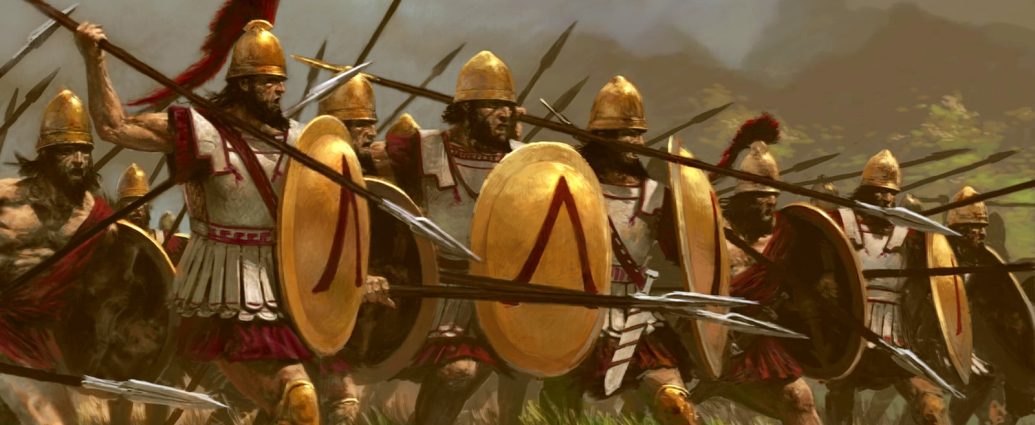
The traditional image of the Battle of Plataea is a familiar one to most students of the ancient world: a highly disciplined Greek army, led by the ‘professional’ hoplites of Sparta, deployed in a densely ordered phalanx formation and so overcame a much larger force of poorly equipped, disorganised Persians. However, a number of recent scholarly developments undermine this picture, and beg different questions. Several recent works have stressed that the Spartans should not be seen as ‘professional’ or full-time soldiers, that the hoplite phalanx may not have been fully developed by the time of the Persian Wars, and that the Achaemenid Persian army was incredibly well-equipped, disciplined, and effective.
If we follow these conclusions, it begs the following questions: how did the Spartans lead the allied Greeks to victory in the Persian Wars, and how did Sparta achieve its position of pre-eminence among the Greeks in the first place? This paper attempts to answer these two questions with a reassessment of the literary and material evidence for warfare in Archaic Sparta, from the poetry of Tyrtaeus to the Battles of Thermopylae and Plataea.
It will argue that the Sparta may have owed its position to the number of hoplites and, especially, helots that it could field. By incorporating the often-overlooked helots into the narrative of Spartan warfare, it will question the established narrative regarding Spartan military organisation at Plataea and Thermopylae and offer new perspectives on the nature of Archaic Spartan warfare.
Comments are closed, but trackbacks and pingbacks are open.